Angie Rivers logo: dark blue cacti and a desert sun above the Angie Rivers wordmark The Ralston Team logo: a stylized R in black and red with a four-pane window graphic My Home Group logo: the myhomegroup wordmark in silver and red with a red house icon

The new construction guide

New construction in the Valley.

A brand-new build can be the smoothest way to buy in the Phoenix metro, once you know how the process works. This guide covers builder financing, the upgrade menu, the construction timeline, and the contingencies that protect you. And it tells you exactly where I step in, so you are never negotiating with a builder on your own.

I'm Angie Rivers, a Phoenix Metro Realtor with The Ralston Team at My Home Group. New construction is one of my favorite ways to buy in the Valley: a home no one has lived in yet, a full builder warranty, and a chance to shape the finishes. The catch is that new builds come with their own rules, deadlines, and contract language, and this guide walks you through them before you ever sit down at the sales office.

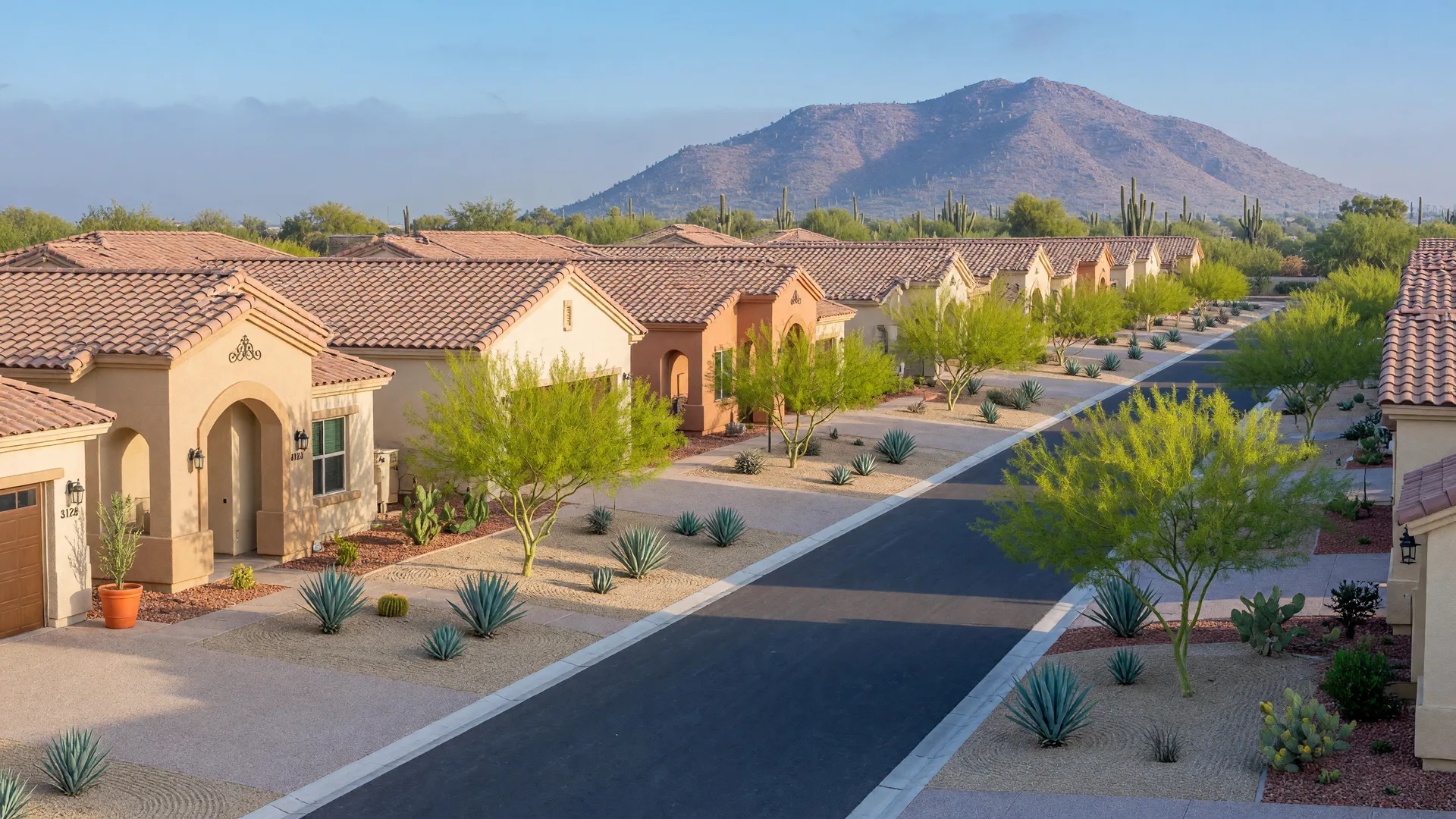
Brand-new Southwest-style homes in a new Phoenix metro community, with desert landscaping and mountain views

Start with representation

Bring your own agent to the first visit

The most expensive mistake in new construction is timing. In most communities, you must be represented by an agent when you are first registered at the sales office. Stop in alone on a Sunday, sign the guest register, and come back Tuesday with your agent, and the builder may refuse to pay your representation at all. That one visit can cost you thousands.

The sales rep works for the builder

Their job is to sell the builder's homes at the builder's best terms. My job is to protect yours: I negotiate price reductions, closing-cost credits, and upgrade allowances, and I watch for the fees that quietly appear in the numbers.

The price is still negotiable

Too many buyers assume the builder's price sheet is final. I have negotiated price reductions on new builds, secured closing-cost credits worth real money, and caught contract terms that protected my clients' deposits and timelines.

Want the full argument in one article?

I wrote out why representation matters on new builds, and how to make sure you have it before you register.

Read: Should You Use an Agent for New Construction?

The money

Builder financing vs. your own lender

Builders routinely offer financing incentives when you use their preferred lender: rate buydowns, closing-cost credits, or free upgrades. That is real money, and you should absolutely evaluate it. The question is whether it beats the market.

Get the builder's offer in writing

Ask exactly what they are offering: a rate buydown, a credit at closing, or upgrade dollars. Every incentive belongs in the purchase agreement, not in a handshake.

Compare with your own quote

Get a quote from a local lender you trust, so you know the market rate you are being measured against. A big credit can still cost you more over the life of the loan if the rate is higher.

Run both numbers together

I help you compare monthly payment, total interest, and the value of the incentive side by side, then keep the loan on track so the rate lock and the closing date line up.

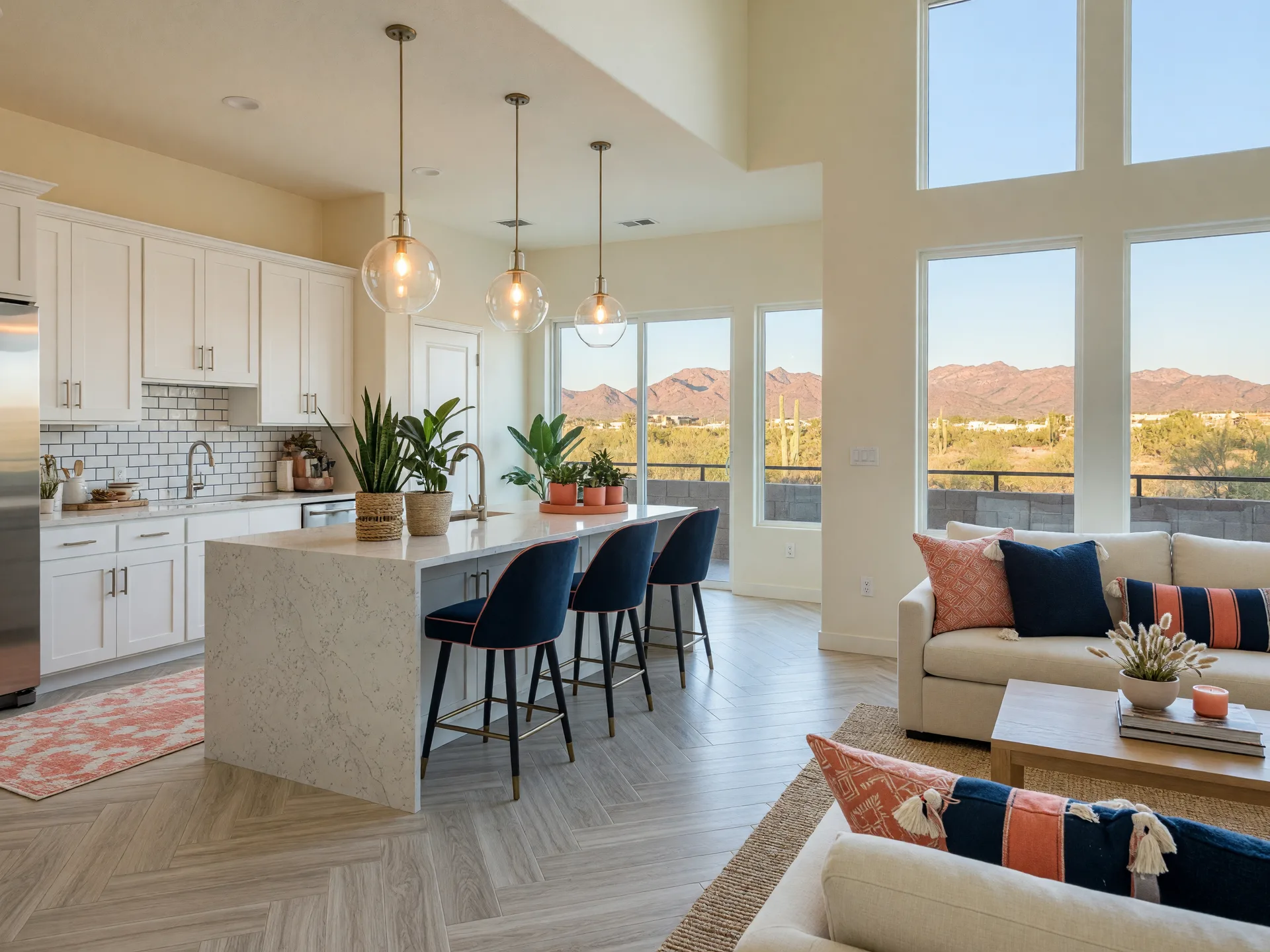
Bright model home interior with white shaker cabinets, quartz island, and desert views

The upgrade menu

Spend on structure, be picky on paint

Every new home starts with a base price and a menu: flooring, cabinets, countertops, tiles, fixtures, and structural options like an extended patio or a third garage bay. The menu is where builders make their margin, so walk in knowing what is worth it.

My rule of thumb: prioritize what you cannot change later. Structural options, layout changes, and anything behind the walls go first. Cosmetic finishes you can refresh over time, and builders often run promotions on the finishes they want to move.

Ask what allowance the base price includes, and compare each menu price against what the same work costs after move-in. Some upgrades are a steal at the builder's price; some are not.


The timeline

What the build looks like, stage by stage

A new build takes months, and the exact dates vary by builder, by phase, and by the season you start. What I can promise is that you are never left wondering: I track milestone dates, I know which inspections matter, and I flag delays while there is still room to respond.

  1. 01

    Contract and deposit

    You choose the lot and floor plan, and the purchase agreement sets the base price, the upgrade allowance, and the estimated completion date.

  2. 02

    Design selection

    This is the fun part: flooring, cabinets, countertops, tiles, fixtures, and any structural options. I go with you and help you spend where it counts.

  3. 03

    Permits and slab

    The builder pulls permits and pours the foundation. Progress is slow here, and that is normal.

  4. 04

    Framing

    The structure goes up fast, and the house starts to feel like a home. This is a great window for your own inspector to look at the bones.

  5. 05

    Rough-ins and drywall

    Electrical, plumbing, and HVAC go in, followed by insulation and drywall. A pre-drywall inspection catches issues while walls are still open.

  6. 06

    Finishes and walk-through

    Cabinets, counters, paint, and trim go in. Then comes the final walk-through, where we write the punch list of everything that needs to be fixed.

  7. 07

    Closing day

    Final inspections pass, the mortgage funds, and you get the keys. The builder warranty and my after-close help start from this day forward.

Contingencies and protections

A new build still needs your safety nets

Because the home does not exist yet, some buyers assume the protections do either. They exist in the contract, and we make sure they are actually there before you sign.

The purchase agreement

I read the contract before you sign, so the incentives are in writing and the contingencies a resale buyer would never skip are present in your new-build offer.

Appraisal contingency

If you are financing, the home needs to appraise for the contract price. New communities are usually fine here, but the protection should exist in your contract.

Inspections at the right moments

A framing or pre-drywall inspection while the walls are open, plus your own final inspection before closing, keeps problems from becoming your problem.

The punch list

At the walk-through we write down every blemish, gap, and missing item, and we make sure the builder's fix list and deadline are in writing before you close.

Before you sign

Questions to ask the builder

Print this list and take it to the sales office. The best builders answer every question directly, and so do I.

  • What exactly is included in the base price, and what is an option?

  • How are your financing incentives applied, and what do they cost me in the rate?

  • What is the current estimated completion date, and what happens if it slips?

  • Which inspections may I have done, and at what stages?

  • What does the warranty cover, and for how long on each system?

  • What happens to my deposit if the timeline runs long or the home does not appraise?

Still deciding between new construction and a resale? The neighborhood guides walk through what each Valley community offers, and the first-time buyer hub covers the financing picture either way. For the full case on representation, my article on why you want an agent for new construction goes deeper.

Let's look at new builds together

Bring me to the first visit, not the second.

One free, pressure-free conversation about your lot, your floor plan, and your budget. I'll tell you the questions to ask and exactly where I step in.

Angie Rivers, The Ralston Team at My Home Group, Scottsdale AZ